

Deep Teeth Cleaning | North Miami Beach, FL
The initial phase of treatment for periodontal (gum) disease often involves a comprehensive deep cleaning, known as scaling and root planing. This non-surgical procedure is designed to remove plaque, tartar (calculus), and bacterial toxins that contribute to gum inflammation and disease.
Scaling and root planing may be recommended as a primary treatment for gingivitis and moderate to advanced periodontal disease, or as a preventive measure to halt disease progression and restore gum health.
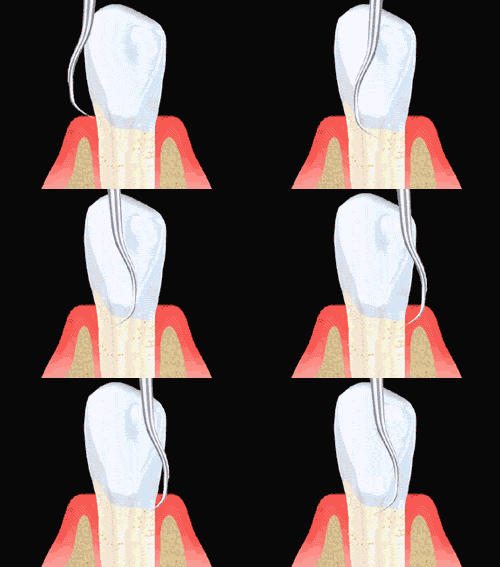
Scaling:
When scaling is performed, calculus and plaque that attach to the tooth surfaces are removed. The process especially targets the area below the gum line, along the root. Scaling is performed with a specialized dental instrument called an ultrasonic scaler. The scaling tool usually includes an irrigation process that can deliver an antimicrobial agent below the gums to help reduce oral bacteria.
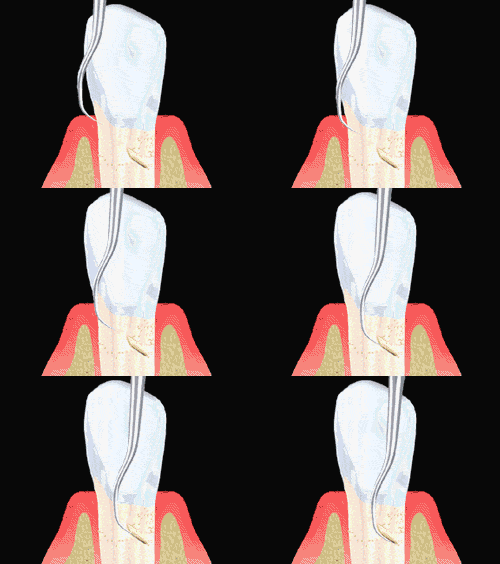
Root Planing:
Root planing is performed to remove cementum and surface dentin that are embedded with unwanted microorganisms, toxins, and tartar. The root of the tooth is smoothed, which promotes healing and helps prevent bacteria from easily colonizing in the future.
Keep Your Teeth Healthy and Cavity-Free
Prevent issues before they start. Drs. Zerquis Molina and Carrillo provides gentle cleanings, detailed exams, and advanced screenings to keep your smile bright and healthy.
Understanding the Impact of Gum Disease on Overall Health
Gum disease—whether in its early stage (gingivitis) or advanced stage (periodontitis)—is a chronic bacterial infection that extends beyond the mouth. If left untreated, it may contribute to serious systemic health conditions. Oral bacteria can enter the bloodstream, potentially triggering inflammation and affecting various organs and systems throughout the body.
Conditions associated with periodontal disease include:
- Cardiovascular Disease: Active gum disease has been linked to an increased risk of heart disease and stroke, as oral bacteria may contribute to arterial plaque formation.
- Diabetes: There is a two-way relationship—gum disease can make blood sugar levels more difficult to control, while diabetes increases susceptibility to infection.
- Respiratory Infections: Bacteria from the oral cavity may be inhaled into the lungs, potentially contributing to conditions such as pneumonia or bronchitis.
- Cancer: Research suggests an association between periodontal disease and increased risk of certain cancers, including pancreatic, kidney, blood, oral, and stomach cancers.
- Alzheimer’s Disease: Studies have identified links between oral bacteria and the progression of cognitive decline.
- Pregnancy Complications: Periodontitis has been associated with premature birth and low birth weight.
- Other Systemic Conditions: Including rheumatoid arthritis, chronic kidney disease, and osteoporosis.
Oral health complications may include:
- Tooth Loss: Progressive destruction of bone and supporting tissues
- Periodontal Abscesses: Localized infections that, if untreated, may lead to more serious systemic complications
Maintaining excellent oral hygiene and attending regular dental visits are essential steps in reducing these risks and supporting overall health.
What Does the Procedure Involve?
Before recommending treatment, a thorough evaluation is performed, which may include digital X-rays and a comprehensive clinical examination. Based on the condition of your gums, the extent of tartar buildup, and the depth of periodontal pockets, scaling and root planing may be advised. Local anesthesia is often used to ensure your comfort throughout the procedure.
Scaling
This step involves the careful removal of plaque and hardened tartar from the tooth surfaces, particularly below the gumline and along the root surfaces. Specialized instruments, including ultrasonic scalers, are used to effectively eliminate deposits. These instruments may also deliver antimicrobial solutions to help reduce bacteria beneath the gums.
Root Planing
Root planing smooths the root surfaces of the teeth by removing contaminated cementum and dentin that harbor bacteria and toxins. This process promotes healing of the gum tissue and helps prevent future bacterial accumulation.
In some cases, antimicrobial rinses or localized antibiotics may be used to further control infection and support healing. These may be applied directly into periodontal pockets following treatment.
Advanced Cases
When periodontal pockets become deep, it can be difficult to completely eliminate bacteria through non-surgical methods alone. In such cases, additional periodontal procedures or surgical intervention may be recommended to restore optimal gum health.
Benefits of Treatment
Scaling and root planing offer several important benefits:
- Helps control and prevent the progression of periodontal disease
- Reduces harmful bacteria that may impact overall systemic health
- Lowers the risk of tooth loss by stabilizing gum and bone support
- Decreases pocket depth and promotes gum reattachment
- Improves oral hygiene by creating cleaner, smoother tooth surfaces
- Reduces bad breath caused by bacteria and trapped debris
- Removes surface stains, contributing to a cleaner appearance
Frequently Asked Questions
Is deep cleaning the same as periodontal maintenance?
No. Scaling and root planing is an initial, more intensive treatment used to address active gum disease. Periodontal maintenance is a routine follow-up therapy designed to manage and maintain gum health after treatment.
Is the procedure painful?
Local anesthesia is used to ensure your comfort during the procedure. Some mild sensitivity or discomfort may occur afterward, which is typically manageable with over-the-counter medications. Please contact our office if discomfort persists.
How many appointments are required?
The number of visits depends on the severity of your condition. Treatment may be completed in one or multiple appointments, often dividing the mouth into sections to ensure thorough care.
How often is deep cleaning needed?
Scaling and root planing is generally performed once as an initial treatment. Ongoing periodontal maintenance visits are then recommended to prevent recurrence and maintain long-term gum health.
Deep teeth cleaning is a highly effective, non-surgical approach to restoring gum health and protecting your teeth—while also supporting your overall health and well-being.